
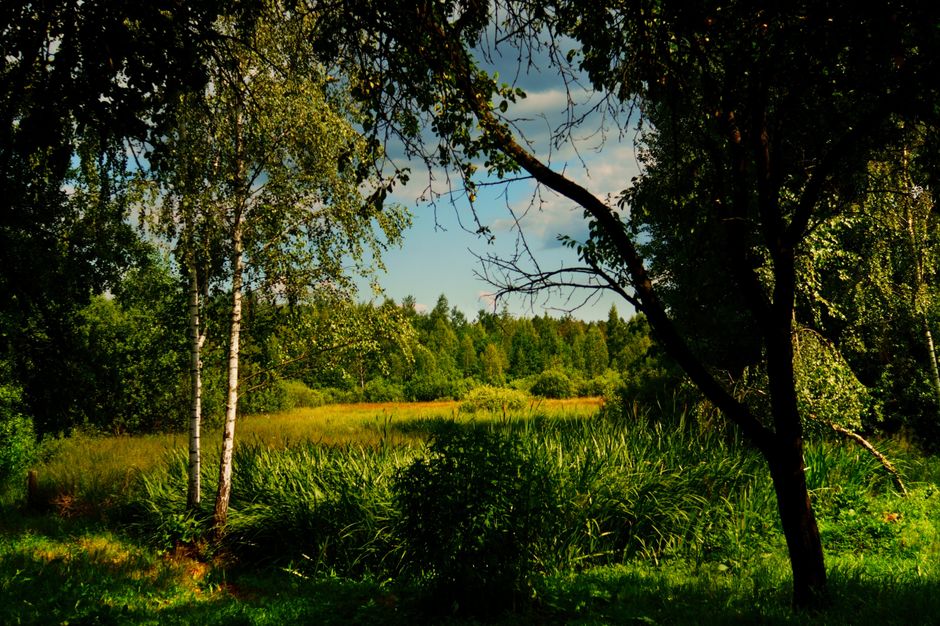
Therapeutic landscapes are increasingly recognized for their ability to enhance well-being and promote healing in individuals. These natural or designed environments specifically aim to support physical, emotional, and psychological health.
What Are Therapeutic Landscapes?
Therapeutic landscapes refer to spaces that provide a calming and restorative environment. These can be gardens, parks, or other natural areas that encourage interaction with nature. The concept is grounded in the idea that nature has a profound impact on human health, helping to reduce stress and increase focus.
The Benefits They Offer
Research suggests that therapeutic landscapes can significantly reduce anxiety and depression. The soothing effects of nature stimulate the senses, fostering a sense of peace and mindfulness. Such spaces are ideal for meditation, reflection, and even physical activities like walking or yoga, which further promote mental health benefits.
Designing Your Own Space
Creating a personal therapeutic landscape is possible with thoughtful design. Incorporating elements like water features, diverse plant species, and comfortable seating can transform any outdoor area into a haven for relaxation and healing.
Conclusion
Incorporating therapeutic landscapes into urban planning and personal spaces can lead to healthier, more balanced lives. Whether through public initiatives or private retreats, these environments invite us to engage with nature, offering a sanctuary from the stresses of daily life.