
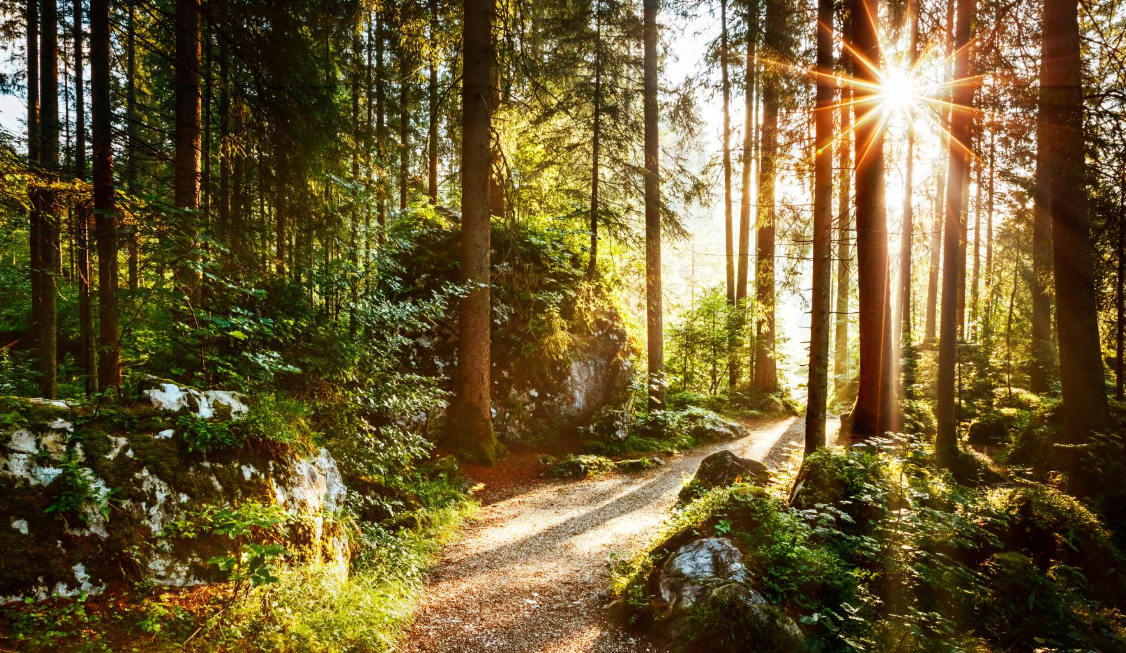
Stress used to feel like background noise in my life.
Not loud enough to panic, but constant enough to drain energy. Emails, deadlines, notifications — the usual modern cocktail. I didn’t think nature could help in any serious way. Then I tried forest bathing, without expectations, without incense, without spiritual slogans.
And it quietly worked.
What Forest Bathing Actually Is
Forest bathing, or shinrin yoku, isn’t hiking, exercise, or survival training. It’s the intentional practice of being present in a forested environment using your senses — sight, sound, smell, touch, and breath.
No goals. No steps to hit. No calories burned to track.
Just slow immersion.
The simplicity is deceptive. You’re not “doing” much, but your nervous system is doing a lot of recalibration in the background.
The First Time Felt Awkward
I’ll be honest.
The first ten minutes felt stupid.
I kept checking my phone. I wondered if I was wasting time. My brain wanted productivity. The forest didn’t care.
But somewhere between the sound of leaves shifting and the smell of damp soil, my breathing slowed. My shoulders dropped. Thoughts stopped sprinting.
That’s when I realized stress isn’t always something you fix. Sometimes it’s something you exit.
Why Forest Environments Calm the Nervous System
There’s science behind this calm.
Studies show forest environments reduce cortisol, lower heart rate, and activate the parasympathetic nervous system — the part responsible for rest and recovery. Trees release phytoncides, natural compounds that may support immune response and reduce stress hormones.
Your body recognizes safety before your mind does.
That’s not poetic language. That’s biology.
You Don’t Need a Perfect Forest
One of the biggest myths is that forest bathing requires untouched wilderness.
It doesn’t.
Urban parks, tree-lined trails, even quiet green spaces can work. The key isn’t distance from civilization — it’s sensory engagement and reduced cognitive demand.
If your phone is silent and your attention is slow, you’re doing it right.
What Actually Happens Mentally
After about twenty minutes, mental noise thins out.
Thoughts still appear, but they don’t cling. Problems feel lighter, less sticky. This isn’t because they’re solved — it’s because your mind regains space.
Stress shrinks when attention widens.
That’s the real shift.
Forest Bathing vs Meditation
Meditation asks you to sit with your mind.
Forest bathing invites your mind to rest elsewhere.
For people who struggle with traditional meditation, nature provides an anchor. You’re not fighting thoughts — you’re giving them somewhere else to go.
Wind replaces rumination. Texture replaces tension.
Making It a Sustainable Practice
You don’t need long sessions.
Even 20–30 minutes once or twice a week can make a difference. Consistency matters more than duration. Treat it like nervous system maintenance, not a spiritual retreat.
No pressure. No performance.
Just showing up.
Final Reflection
Forest bathing didn’t erase stress from my life.
But it gave me a place where stress loses its grip. A reset button that doesn’t require apps, subscriptions, or motivation hacks.
Sometimes healing isn’t about fixing yourself.
It’s about remembering where you belong.