
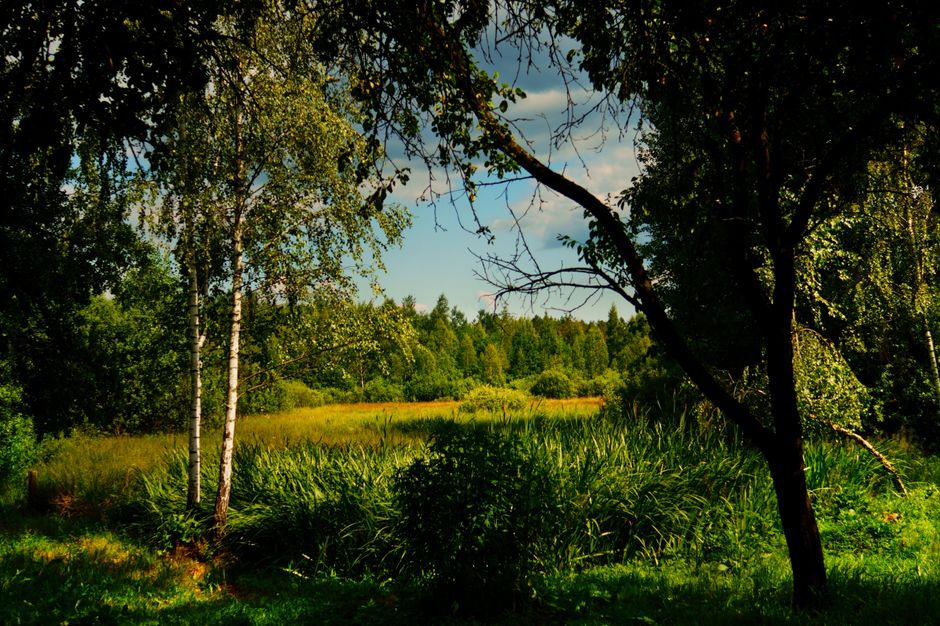
In our fast-paced, technology-driven world, therapeutic landscapes offer a calming refuge for mental and physical wellness. These purposefully designed spaces integrate elements from nature to promote healing and relaxation, making them a vital part of urban planning and individual well-being.
The Concept of Therapeutic Landscapes
A therapeutic landscape refers to outdoor settings that are deliberately planned to provide restorative experiences. These landscapes combine elements such as gardens, water features, and lush greenery to create environments that soothe and rejuvenate. Rooted in the idea that nature can significantly impact health, these spaces are often found in hospitals, parks, and community gardens.
Benefits to Mental Health
Spending time in therapeutic landscapes can significantly reduce stress, anxiety, and depression. The natural elements aid in improving mood and cognitive function, providing a peaceful retreat from daily stressors. Engaging the senses with natural beauty has proven to help individuals regain a sense of tranquility and focus.
Impact on Physical Health
Therapeutic landscapes also encourage physical activity, such as walking or gardening, enhancing cardiovascular health and promoting fitness. The soothing environment encourages gentle exercise, ideal for people of all ages and abilities, contributing to overall health improvement.
In conclusion, therapeutic landscapes serve as powerful tools for enhancing well-being, demonstrating the profound impact of strategic environmental design on health and happiness. By embracing these natural sanctuaries, communities can foster both personal and collective tranquility.