Eco-therapy, or nature therapy, offers powerful healing benefits by reconnecting individuals with the natural environment. This connection promotes holistic well-being by leveraging nature's innate restorative capabilities. Below are five transformative eco-therapy practices to consider.
Forest Bathing
Originating from Japan, forest bathing involves immersing oneself in the forest atmosphere to reap mental health benefits. By mindfully walking through the woods, individuals experience reduced stress and improved mood, as the practice encourages a serene engagement with nature.
Horticultural Therapy
Engaging in gardening or plant care provides significant therapeutic benefits. It's not just about nurturing plants but also about fostering personal growth and patience. Horticultural therapy has been shown to enhance mental clarity and emotional strength while decreasing anxiety.
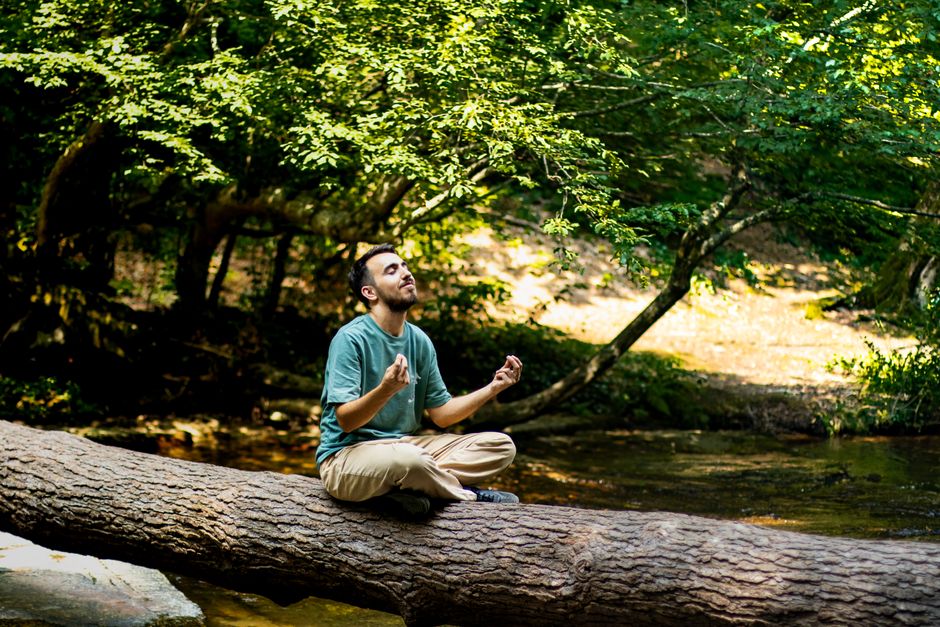
Outdoor Meditation
Meditating outside allows individuals to draw energy from natural surroundings, deepening their mindfulness practice. By embracing the natural sounds and sights, outdoor meditation promotes a profound sense of peace and interconnectedness.
Eco-Art Therapy
Combining creativity with nature, eco-art therapy involves creating art using natural materials. This practice nurtures both creative expression and environmental appreciation, often leading to increased self-esteem and resilience.
Wilderness Therapy Programs
Structured programs conducted in remote natural settings allow participants to explore personal challenges within a supportive environment. Wilderness therapy fosters leadership, teamwork, and self-reflection, contributing to comprehensive personal development.
Incorporating eco-therapy into your lifestyle can lead to substantial improvements in mental, emotional, and even physical health. Embracing these practices offers not only personal benefits but also fosters a deeper, more sustainable relationship with our planet.