
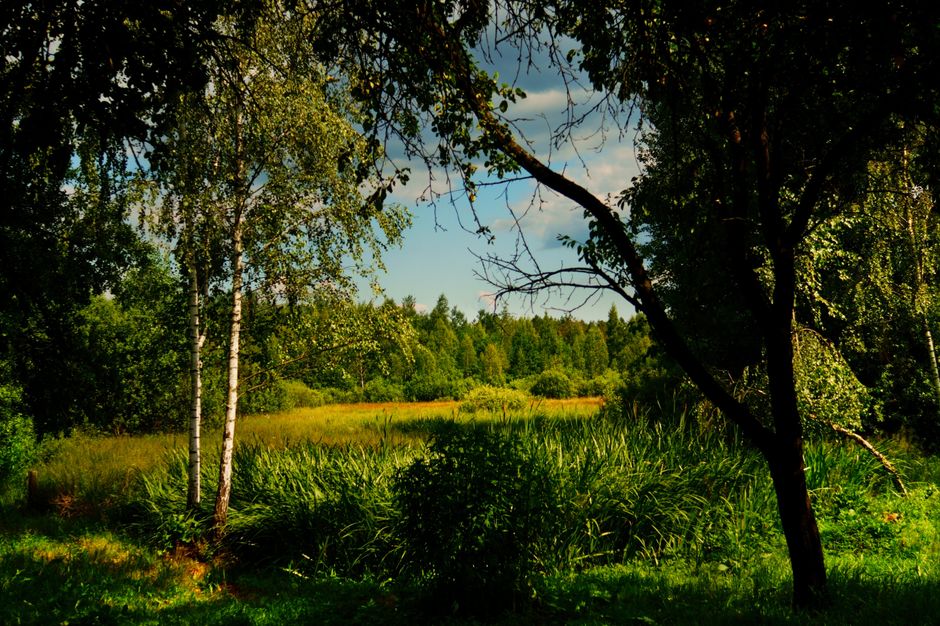
In a world increasingly dominated by urbanization and technology, therapeutic landscapes offer a refreshing retreat that promotes physical, mental, and emotional well-being. These natural environments, carefully designed or embraced in their organic state, provide holistic benefits that modern medicine often overlooks.
The Concept of Therapeutic Landscapes
Therapeutic landscapes refer to specific places or settings that foster healing through their aesthetic and sensory qualities. These landscapes can include parks, gardens, forests, and other natural environments that have been shown to have positive psychological and physiological effects.
Benefits of Therapeutic Landscapes
The benefits of engaging with therapeutic landscapes are numerous and well-documented. Nature immersion can reduce stress, lower blood pressure, improve mood, and boost overall health. Time spent in these environments also encourages mindfulness, facilitating mental clarity and emotional balance.
Designing Therapeutic Landscapes
Designing these landscapes involves integrating elements that appeal to all the senses, such as colorful foliage, soothing water features, and fragrant flowers, to create an inviting space that enhances relaxation and recovery.
Conclusion
Therapeutic landscapes remind us that healing often lies beyond the confines of traditional healthcare. By reconnecting with nature, individuals can find solace, rejuvenate their spirits, and enhance their overall quality of life.