
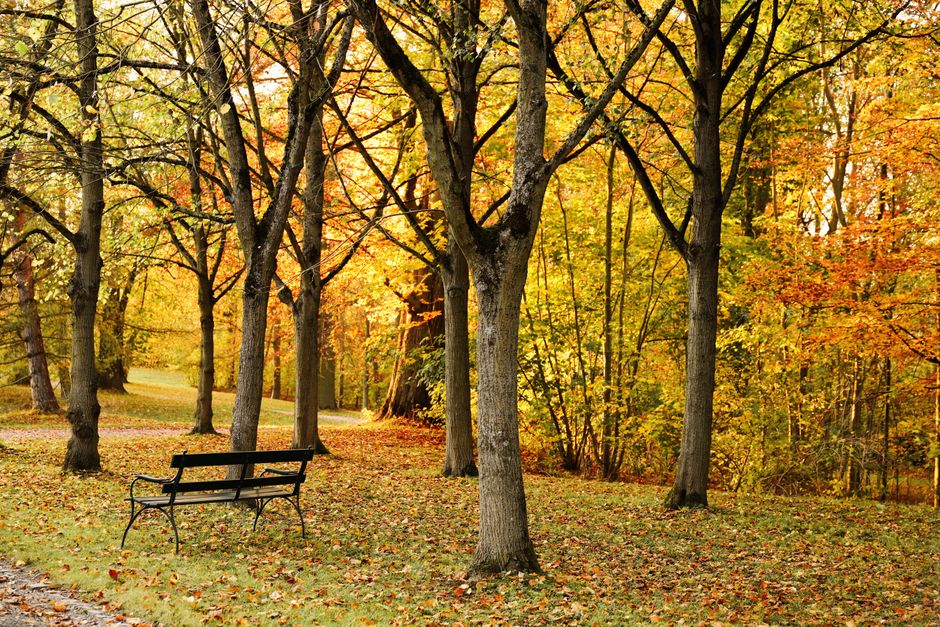
Nature’s ability to nurture the mind and body is profound. Therapeutic landscapes are environments specifically designed or naturally occurring that promote healing, relaxation, and well-being. Understanding how these spaces work can enhance our daily lives.
What Makes a Landscape Therapeutic?
Therapeutic landscapes often feature elements that engage all the senses, such as the sound of flowing water, fragrant plants, and vibrant colors. Accessibility and comfort are crucial components, ensuring individuals can easily interact with and enjoy these environments. The goal is to create a setting that encourages stress relief and boosts mental clarity.
Examples of Therapeutic Landscapes
Examples of therapeutic landscapes can be found in hospitals, parks, and gardens, each tailored to specific needs. A hospital courtyard might use soothing greenery to aid patient recovery, while a community garden offers a social hub for relaxation and connection.
Benefits of Therapeutic Landscapes
Exposure to therapeutic landscapes can lower stress levels, improve mood, and even enhance physical health. By reconnecting with nature, individuals often experience a sense of tranquility and rejuvenation.
In conclusion, the integration of therapeutic landscapes into our lives is a powerful tool for enhancing well-being. Whether through professional design or natural intervention, their impact is significant and rewarding.